Image: RDNE Stock project / Pexels
It’s completely natural to want to share photos of your baby. After all, those chubby cheeks, gummy smiles, and tiny fingers are almost too cute to keep to yourself. Social media makes it easy to share milestones with friends and family, especially if your loved ones live far away.
But as tempting as it is to post every adorable moment, it’s worth pausing and thinking through the potential consequences.
Posting baby photos on social media may seem harmless, but it comes with a few real concerns that every parent should be aware of.
1. Your Child’s Digital Footprint Starts Now
Every time you post a photo or video of your baby, you’re building their digital footprint – before they even know what the internet is. Once something is online, it’s almost impossible to fully erase it.
Even if your privacy settings are strict, screenshots can be taken, accounts can be hacked, and social media platforms can change their policies. Fast forward a few years, and your child might not appreciate that naked bathtub photo or the messy first attempt at eating solids being out there for the world to see.
While babies obviously can’t consent to having their images shared, they’ll grow up in a world where online presence matters. The choices you make now shape that presence long before they have a say in it. It’s a good idea to consider the long-term implications of sharing pictures of children online.
2. Privacy Settings Aren’t Foolproof
You might think, “It’s okay, I only share with close friends,” and that’s a good start – but even the best privacy settings aren’t perfect. Social media platforms often update their algorithms and settings, and what was private yesterday might be more public today.
There’s also the issue of trusting everyone in your friend list. Someone might unknowingly reshare, comment, or even download your content. It’s not always about bad intentions – sometimes it’s just easy to forget how public the internet really is.
This is why understanding the potential dangers of posting kids online is essential for protecting your child’s safety.
3. Strangers (and Algorithms) Are Watching
Yes, this one might feel a bit eerie, but it’s true. Pictures of children – especially babies – are sometimes stolen from public profiles and used in weird or even harmful ways. There have been cases where photos ended up on fake accounts or disturbing websites.
On a less sinister but still concerning level, tech companies and advertisers are also watching. Photos often come with data attached: time, location, and even facial recognition info. All of this gets scooped up by algorithms and can be used to target ads or track behavior.
Your baby’s image becomes just another data point in a much bigger system. It’s important for parents to remember that, once shared, these photos may no longer be entirely under their control.
4. Safety First
This one’s more practical. Posting a baby’s full name, birthdate, or geotagged location (like your home or regular park) can unintentionally give away personal information. Identity thieves and scammers don’t need much to start building a profile. And while we don’t want to create unnecessary fear, it’s wise to limit what strangers can learn about your child.
A cute “Welcome baby Noah, born April 3rd, 2025, 3.2 kg!” post might seem innocent, but it’s got plenty of details someone could misuse. Parents should always be cautious about posting kids online and consider privacy concerns before sharing these personal details.
5. There Are Alternatives
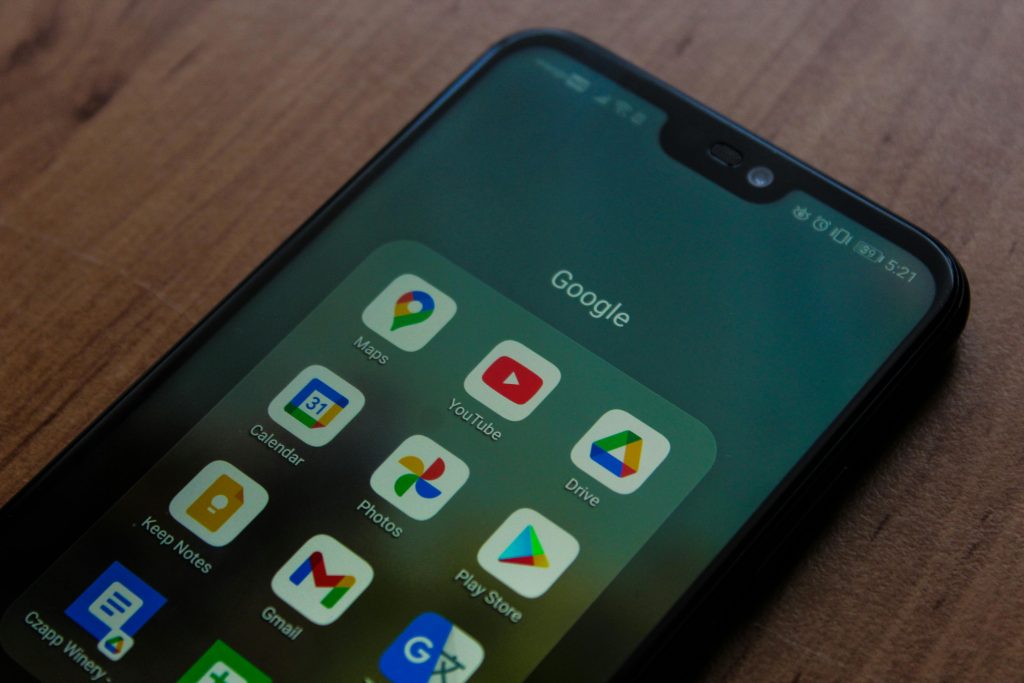
If you still want to document your baby’s journey and share it with others, there are safer ways to do it. You could set up a private family photo-sharing app (like Tinybeans or Google Photos with shared albums). These give you more control over who sees what.
You can also be more intentional with what you post: skip the face, blur out identifying features, or just share close-ups of toes and hands. It still tells your baby’s story without putting everything out there. Using a private platform is a great alternative to avoid oversharing and better protect your child’s privacy.
Final Thought
Every parent has the right to decide how to raise and represent their child – but it’s worth considering how those decisions play out in the digital world. The internet has a long memory, and while the baby stage is fleeting, your online posts can last forever.
So next time you’re about to upload that adorable snapshot, take a second to think: who am I really sharing this with, and how might it impact my child later? It’s not about being paranoid – it’s about being thoughtful. Think before you post baby photos and remember that protecting your child’s online identity starts with you.